The Importance of Cacao Percentage in a Chocolate Bar: How to Choose the Best Option


When choosing a chocolate bar, one of the first details you will probably notice on the packaging is a percentage: 43%, 55%, 70% cacao, or even more.
But what does that number actually mean? Does a higher percentage always mean better chocolate? How does it influence flavor, intensity, and the overall tasting experience?
Understanding the cacao percentage can help you choose a chocolate that better suits your preferences while also helping you learn more about what goes into each bar.
Because when it comes to chocolate, the number matters, but it does not tell the whole story.
What Does the Cacao Percentage in a Chocolate Bar Mean?
The cacao percentage indicates how much of the bar is made up of cacao-derived ingredients.
For example, when a label says that a chocolate contains 70% cacao, it means that a significant portion of the bar comes from cacao, while the remaining percentage consists of other ingredients in the recipe, such as sweeteners or other components.
This number can help you anticipate certain characteristics of the chocolate, especially its intensity, sweetness, and flavor profile.
However, the percentage should not be considered on its own.
Two bars with the same cacao percentage can offer completely different experiences depending on the origin of the beans, the production process, the ingredients used, and the overall formulation of the chocolate.
Does More Cacao Mean Better Chocolate?
Not necessarily.
It is common to think that a chocolate bar with a higher cacao percentage is automatically better, but chocolate quality depends on many other factors.
The percentage tells you how much cacao is present, but it does not necessarily tell you about:
- The quality of the raw ingredients.
- The origin of the cacao.
- Its aromatic profile.
- The fermentation and roasting process.
- The ingredients paired with the cacao.
- The overall balance of the recipe.
A 55% cacao bar made with high-quality ingredients and a well-balanced formulation may offer a more enjoyable experience for some people than a bar with a higher percentage that does not match their preferences.
So instead of simply looking for “the highest percentage,” the goal is to find the cacao percentage that best matches the way you enjoy chocolate.
How Does Flavor Change Depending on the Cacao Percentage?
As the cacao content increases, cacao generally becomes more prominent in the overall flavor experience.
This can result in more intense chocolate, with less perceived sweetness and a greater opportunity to notice the cacao’s natural characteristics.
43% Cacao Chocolate: A Softer Experience
A 43% cacao bar can offer a softer, more delicate profile, where cacao shares the spotlight with the other ingredients in the recipe.

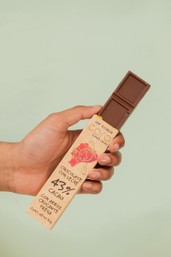
It can be a good choice for those who:
- Prefer less intense flavors.
- Are starting to explore chocolate with a higher cacao content.
- Enjoy smoother flavor profiles.
- Want the ingredients paired with the cacao to also stand out.
It is an approachable way to discover chocolate through a more balanced and gentle flavor profile.
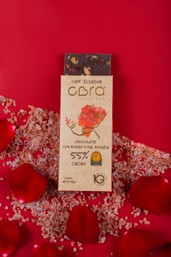
55% Cacao Chocolate: A Balanced Middle Ground
With 55% cacao, the cacao begins to express itself more clearly while still maintaining a balance between intensity and sweetness.
This percentage can be ideal for those who want to explore more defined flavors without reaching the stronger character of a 70% cacao bar.
It can also be an interesting choice for discovering how additional ingredients interact with cacao that already has a more noticeable presence.
70% Cacao Chocolate: Cacao Takes Center Stage
In a 70% cacao chocolate bar, cacao plays a much more prominent role.
This makes it easier to perceive different aromatic and flavor nuances, especially when the chocolate is made with cacao that has a distinctive sensory profile.
Depending on the cacao’s origin, you may notice fruity, floral, roasted, citrus, or nutty notes.
That is why a 70% bar does not necessarily have to taste simply “bitter.” High-quality cacao can offer a much more complex experience.

Origin Also Changes What You Taste
Cacao percentage is important, but there is another detail worth paying attention to: where the cacao comes from.
Just like coffee or wine, the conditions in which cacao is grown can influence its characteristics.
Climate, soil, cacao variety, and post-harvest processes all contribute to shaping its sensory profile.
That is why two 70% chocolates made with cacao from different origins can taste completely different.
One may reveal fruitier notes, while another may feel more floral, roasted, or intense.
This diversity is especially interesting when it comes to Ecuadorian fine flavor cacao, known for the complexity of its aromas and flavors.
Does the Cacao Percentage Determine How Much Sugar Is in a Bar?
The cacao percentage can give you a clue about the composition of a chocolate bar, but it should not be used as the only indicator of how much sugar it contains.
A bar with a higher cacao percentage usually leaves less room in the formulation for other ingredients, but every recipe is different.
If you want to know exactly how much sugar a chocolate contains or what type of sweetener is used, it is best to check:
The ingredient list: this tells you what was used to sweeten the bar.
The nutrition facts: this shows the nutritional composition for a specific serving size.
The claims on the packaging: these may indicate whether the chocolate is sugar-free, has no added sugar, or is made with a different type of sweetener.
Cacao percentage is a useful tool for understanding chocolate, but it does not replace reading the label.
So, What Cacao Percentage Should You Choose?
There is no perfect percentage for everyone.
The choice mainly depends on your personal preferences.
If you prefer softer flavors, a 43% cacao bar can be a good place to start.
If you are looking for a balance between intensity and smoothness, 55% cacao offers a middle ground where the character of the cacao becomes more noticeable.
If you enjoy more intense flavors, a 70% cacao bar may be an excellent choice.
You can also turn the decision into a small tasting experience: trying 43%, 55%, and 70% one after another can help you notice how your perception of cacao changes and which profiles you enjoy most.
It Is Not All About Intensity
Choosing a chocolate bar should not become a competition to find the highest number.
A higher percentage may offer greater intensity, but a good chocolate experience depends on balance.
The origin of the cacao, its quality, the texture of the bar, the additional ingredients, and the way they are combined all influence the final result.
For example, a chocolate bar may include fruits, flowers, nuts, spices, or other ingredients that complement the cacao’s natural notes.
In these cases, the percentage is part of the experience, but it does not define it completely.
43%, 55%, or 70%: Discover Different Ways to Enjoy CORA
At CORA, different cacao percentages make it possible to explore different ways of enjoying chocolate.
A 43% cacao bar offers a softer experience, ideal for those who prefer a delicate and balanced profile.
With 55% cacao, the cacao becomes more prominent and finds a middle ground between smoothness and intensity, allowing its characteristics to come through more clearly.
On the other hand, 70% cacao bars offer a more intense experience, where the character of the cacao and its different sensory nuances can be perceived more easily.
The idea is not to decide which percentage is “better.”
It is about discovering which one best matches your preferences.
You may prefer a 43% bar at one moment and look for the intensity of 70% at another. You can also enjoy different percentages depending on the ingredients paired with the cacao.
There is no single way to enjoy chocolate.
Learn to Look Beyond the Number
The next time you have a chocolate bar in your hands, take a look at its cacao percentage, but do not stop there.
Also consider its origin, its ingredients, and the story behind how it was made. Then taste it slowly and pay attention to what happens with each bite.
Is it smooth or intense? Do you notice fruity notes? Something floral? A roasted flavor that lingers after the chocolate is gone?
Understanding the cacao percentage gives you a useful reference point.
Discovering everything behind that percentage turns each bar into an experience.
Because choosing the ideal chocolate does not mean looking for the highest number.
It means finding the chocolate bar you enjoy the most.


