Dark Chocolate from Ecuador: What Sets CORA’s Bars Apart


When we talk about dark chocolate from Ecuador, the cacao percentage is only part of the story. Behind every bar there’s an origin, a bean type, traceability, and a series of decisions that turn that raw material into a concrete flavor experience.
Ecuador has a particular relationship with cacao. Its geographic diversity makes it possible to find sensory profiles ranging from fruity to floral to toasted, far beyond the intense flavor we usually associate with dark chocolate. At CORA, that richness is the starting point for everything we do.

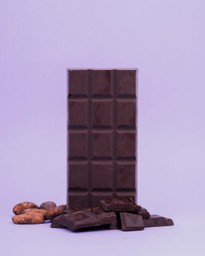
What makes Ecuadorian dark chocolate special?
Good dark chocolate lets cacao take center stage. The more present it is within a bar, the easier it becomes to perceive its aroma, intensity, and the different flavors it reveals as you enjoy it.
But not all cacao tastes the same. Origin, growing conditions, and harvest and post-harvest processes directly shape its sensory profile. The International Cocoa Organization defines fine cacao as one with a complex, balanced profile and identifiable aromatic notes that depend on genetics, growing environment, and bean handling. Ecuador, in fact, is among the world’s leading exporters of fine flavor cacao.
That’s why talking about dark chocolate from Ecuador is also talking about place. If you want to go deeper on this, you can read our article on what fine flavor cacao is and why Ecuador is recognized worldwide.
Fine flavor cacao: the starting point of a CORA bar
CORA bars are made with fine flavor cacao sourced from Ecuadorian farms, with raw material selected from regions such as Esmeraldas, Puerto Quito, and Tena. Each origin contributes distinct characteristics, and choosing where the cacao comes from matters just as much as deciding the bar’s final percentage. This direct work with local producers is also at the heart of our story on sustainable chocolate in Ecuador and how we give back to small producers.
In our 70% cacao chocolate line, for example, the cacao comes from Esmeraldas. Its profile often reveals fruity notes reminiscent of banana, red berries, and citrus, along with hints of nuts and floral touches, all carried by a smooth texture in the mouth.

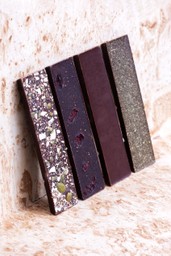
That’s one of the great appeals of fine flavor cacao: it turns a chocolate bar into an experience that unfolds gradually, flavor after flavor.
70% cacao: intensity without losing the origin
Dark chocolate tends to be immediately associated with a strong, even bitter flavor. But a high cacao percentage doesn’t have to mean a flat experience. In a well-balanced bar, 70% cacao lets the origin come through while intensity coexists with other nuances, rather than overpowering them.
That’s exactly what our pure 70% cacao chocolate line is after: giving Ecuadorian cacao the spotlight and letting its aromatic profile be central to every bite. This line is also made without sugar and sweetened with monk fruit and allulose, a different formulation from chocolate sweetened with refined sugar. If you’re curious how these benefits go beyond flavor, on the blog we take a deeper look at the benefits of cacao chocolate.
The result is a bar where cacao remains, without competition, the star.
From origin to bar: why traceability matters
When we choose a chocolate, we rarely think about everything that happened before it reached our hands. Yet knowing where the cacao comes from completely changes how we understand what we’re eating.
At CORA we work with cacao from local farms and prioritize the traceability of our raw material, respecting its origin and staying transparent about the journey behind every bar. That traceability connects the bar to something bigger: the producing communities, the particularities of each territory, and the work that makes it possible to turn a fruit grown in Ecuador into chocolate.
Origin shouldn’t just be a word on the packaging. It should be felt in the product, as we explain in what makes true artisanal chocolate special.
Flavors that also tell an Ecuadorian story
Cacao is the star, but it isn’t alone. Part of CORA’s identity comes from combining fine flavor cacao with ingredients and flavors that evoke different traditions and places across Ecuador: red berries, rose and pink salt, fig and panela, or options where cacao stands practically on its own.
Each combination is a different way to discover the same raw material. And although every bar has its own personality, they all share something: Ecuadorian cacao as the starting point. That’s the difference between simply eating a chocolate bar and exploring it, paying attention to its aromas, contrasts, and textures.
Ecuadorian chocolate with purpose
What sets CORA apart doesn’t end with flavor. The brand was born in Ecuador with the idea of turning chocolate into a way to support causes that create real impact. Part of that purpose is connected to Jardín Alado, dedicated to wildlife conservation in Ecuador, and to Corre La Voz, an initiative that drives women’s empowerment through chocolate.

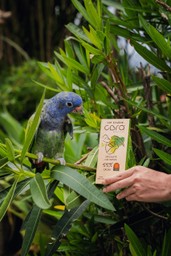
Behind a CORA bar there’s more than cacao, ingredients, and design: there’s a decision about what product to create, which raw materials to value, and which stories are worth supporting.
How to better enjoy a dark chocolate from Ecuador
Next time you have a bar in front of you, take a moment before biting into it. Look at it, break off a small piece, and listen to the sound. Bring it close and take in its aromas. Let it melt slowly in your mouth and notice how the flavor changes: does cacao come through first? Are there fruity notes? Something floral or toasted?
There’s no single right answer. That’s precisely the charm of a dark chocolate made with fine flavor cacao: every person discovers something different in the same bar.
CORA: a piece of Ecuador in every bar
What sets CORA’s bars apart isn’t a single ingredient, but the combination of Ecuadorian fine flavor cacao, origin, traceability, flavors with identity, and purpose.
Chocolate begins long before you open the wrapper: it begins in the soil, with the people who grow the cacao, and in every decision that preserves its character all the way to the bar. Choosing dark chocolate from Ecuador, then, is also a way of getting to know the country from another angle: one aroma, one flavor, and one piece of our land at a time.


